

How Deep Should You Plant Wildflower Bulbs? Your Easy Autumn Planting Guide
Not sure how deep to plant your English bluebells, snowdrops or daffodils? You're not alone!
Autumn is a wonderful time to get out into the garden and plant bulbs ready for a beautiful display next spring. But before you grab your trowel and start digging, there's one question that often crops up: How deep should I actually plant my bulbs? Too shallow and the bulbs might dry out or get disturbed by hungry wildlife. Too deep and they may struggle to push their way up through the soil.
The good news? Planting wildflower bulbs is really quite straightforward once you know a few simple rules. So, whether you're creating a woodland garden, adding colour to your lawn or planting a few bulbs in pots, here's our handy Meadowmania guide to getting the depth just right.
The Golden Rule for Planting Bulbs
As a general rule of thumb, plant bulbs at a depth or around two to three times their height. So, if your bulb measures 3cm from top to bottom, you'd usually plant it with around 6cm to 9cm of soil above it.
Of course, not every bulb likes to follow the rules! Some prefer to be planted quite shallowly, while others are happiest tucked a little further underground. And a few of our woodland favourites aren't technically bulbs at all! So, we've put together this handy guide to help you give each variety the best possible start.
Your Quick Guide to Wildflower Bulb Planting Depths
Here are our recommended planting depths for some of our favourite autumn-planted bulbs and woodland plants.
| Variety | Planting depth |
|---|---|
| English Bluebells | 10 cm |
| Wood Anemone | 7-8 cm plant horizontally |
| Snakeshead Fritillary | 5-7cm |
| Snowdrops | 5–10 cm |
| Wild Cyclamen | 3–5 cm |
| Wild Daffodils | 10–15 cm |
| Giant Snowdrops | 8–10 cm |
| Lily of the Valley | 5-7 cm |
| Wild Tulip | 10–15 cm |
| Wild Garlic | 5–7 cm |
| Winter Aconite | 5 cm |
| Large Flowering Mixed Crocus | 8–10 cm |
| Grape Hyacinth | 5–8 cm |
These are approximate planting depths for autumn planting, measured from the soil surface to the base of the bulb unless otherwise stated. Bulb sizes vary, so always check the planting instructions supplied with your order. Rhizomes, tubers and pips have slightly different requirements.
A Handy Tip - Use the Right Tools!
Wondering how to tell whether you've dug your planting hole deep enough? We've got just the thing. Our copper-planted bulb dibber and hori hori knife are both brilliant tools for planting bulbs. Even better, they both have measurements in centimetres and inches marked along the side, so you can check your planting depth as you go.
The bulb dibber makes it easy to create neat planting holes, while the versatile hori hori knife is ideal for digging, loosening soil and planting bulbs in trickier spots. They're two handy additions to your gardening toolkit that make autumn bulb planting that little bit easier.
Let's Take a Closer Look at Each Variety
English Bluebells (Hyacinthoides non-scripta) | 8-10cm deep
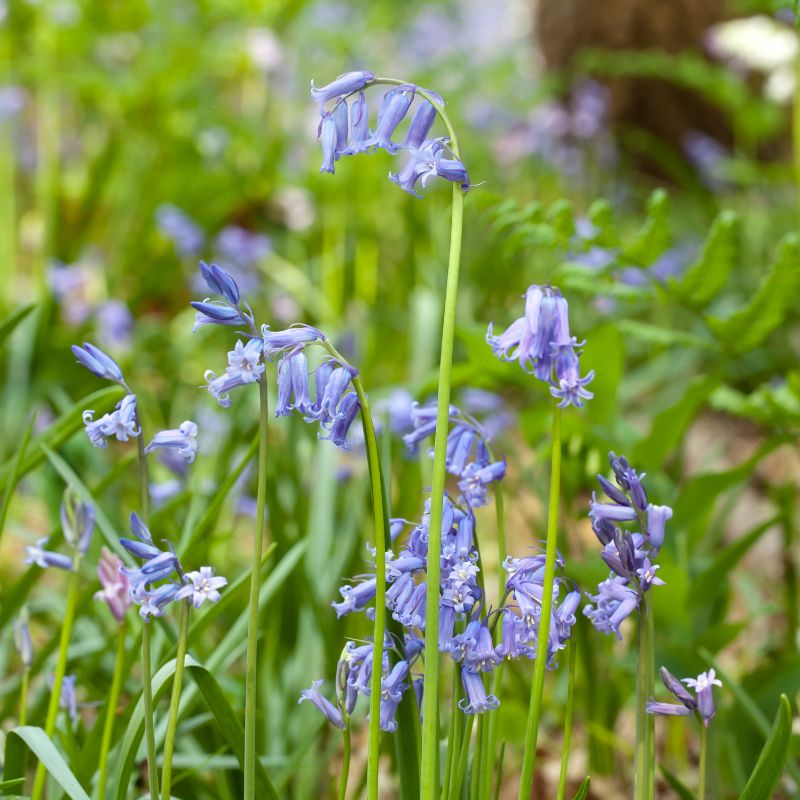
Our native English bluebells are a real favourite for naturalising beneath deciduous trees, along hedgerows and in shady corners of the garden. Plant your bulbs around 8-10cm deep, with the pointed end facing upwards.
They prefer well-drained soil with plenty of organic matter and will happily settle in beneath trees where they can enjoy the spring sunshine before the leaves appear. English bluebell can be shy to flower in the first year.
Top Tip: Plant English bluebells in informal groups rather than neat rows. They'll look much more natural, as though they've been growing there for years!
Wood Anemone (Anemone nemorosa) | 7-8cm deep
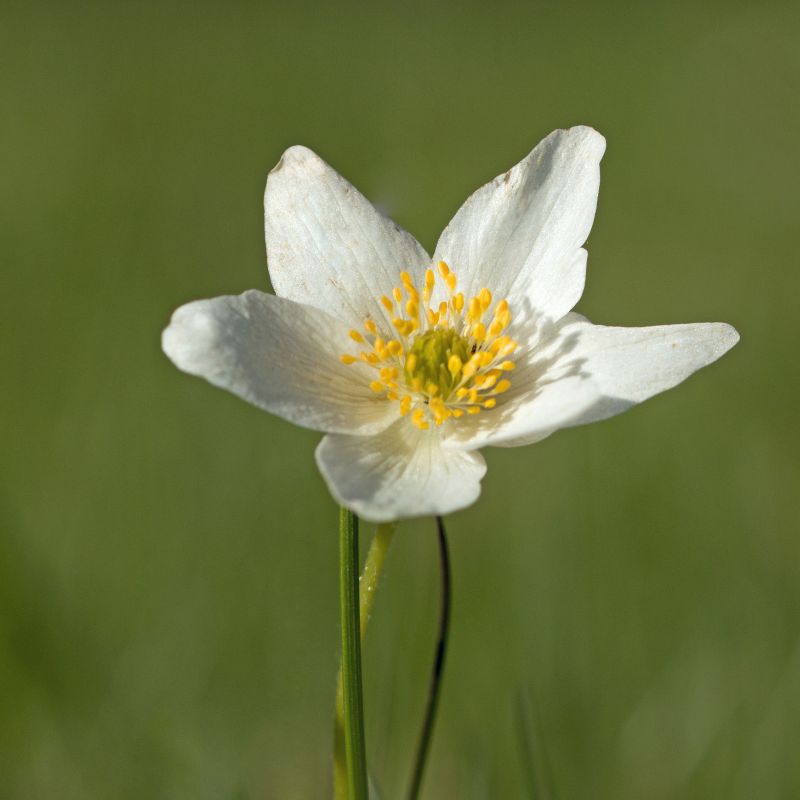
Delicate, star-shaped wood anemones are one of the prettiest signs that spring has arrived. Unlike most bulbs, wood anemones grow from small knobbly rhizomes. Lay these horizontally in the soil, around 3-5cm deep, rather than planting them upright like a traditional bulb. Soaking the rhizomes in water for a few hours before planting may be beneficial.
They love woodland conditions, with moist, humus-rich soil and dappled shade. Wood anemones can take a while to establish, but they're well worth the wait.
Snakeshead Fritillary (Fritillaria meleagris) | 5-7cm deep
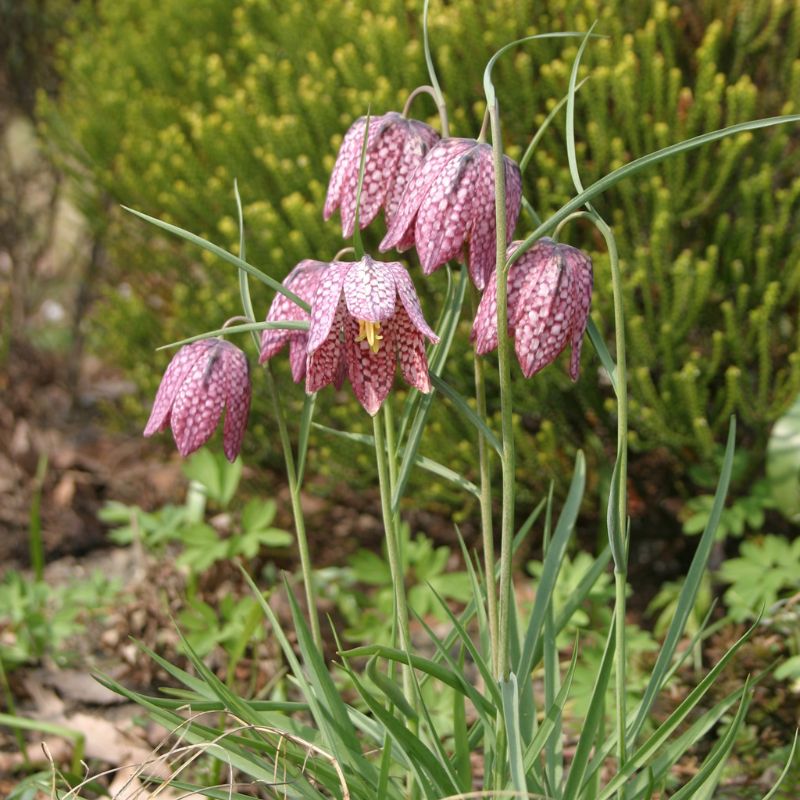
With their unusual chequerboard-patterned flowers, snakeshead fritillaries are real showstoppers. They look especially lovely growing through grass or in a damp meadow. Plant the bulbs around 5-7cm deep in moisture retentive soil that doesn't become waterlogged. Fritillary bulbs can dry out quite quickly, so it's best to plant them soon after they arrive.
Top Tip: These are particulary good for areas of your garden that stay naturally moist in spring.
Snowdrops (Galanthus nivalis) | 5-10cm deep
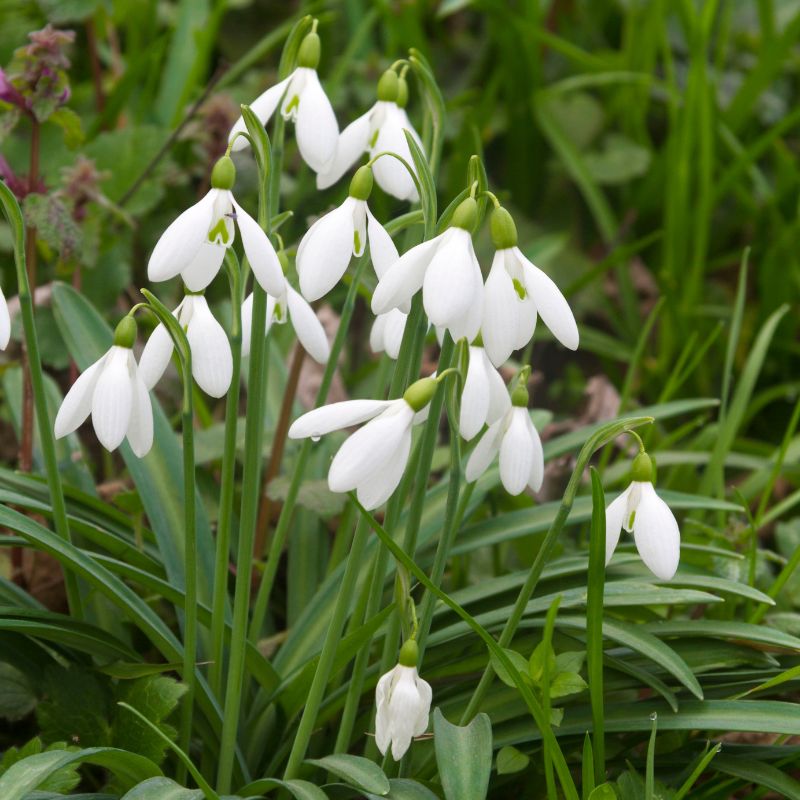
There's something special about spotting the first snowdrop of the year. These cheerful little flowers often appear when the rest of the garden is still fast asleep. Plant dormant snowdrop bulbs around 5-10cm deep in soil enriched with leaf mould or compost. They enjoy partial shade and look fabulous beneath trees, shrubs and along woodland paths. If you're planting dry bulbs in the autumn, get them into the ground promptly to prevent them drying out further.
Wild Cyclamen (Cyclamen hederifolium) | 3-5cm deep
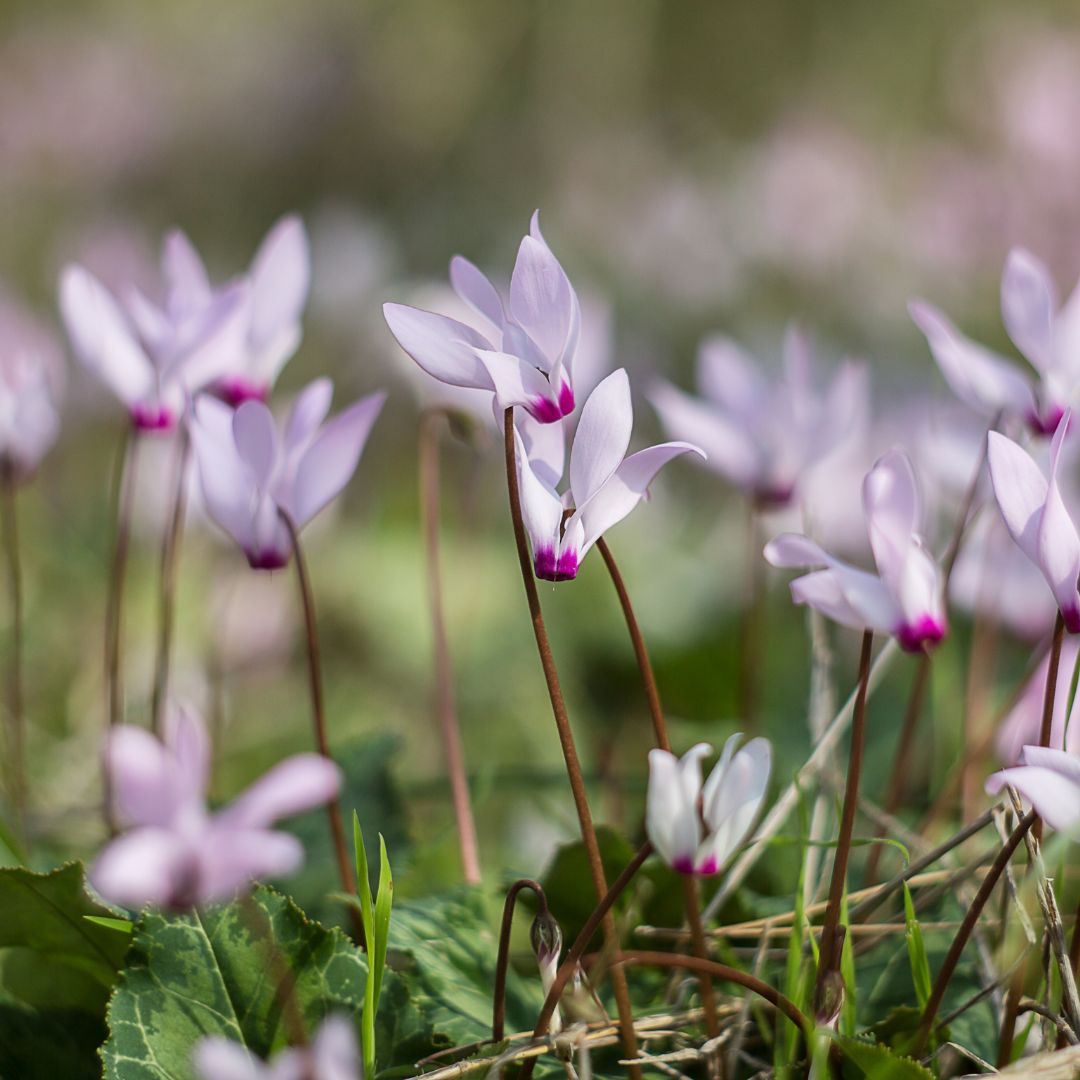
Wild cyclamen bring delicate flowers and beautiful patterned leaves to shady spots. They're especially useful for adding interest beneath trees and shrubs. Cyclamen grow from flattened tubers rather than conventional bulbs.
For autumn-flowering cyclamen hederifolium, plant the tuber with its growing surface facing upwards, covered by approximately 3m of soil, or slightly more in light soil.
Top Tip: Once established, cyclamen can gradually spread to create lovely colonies.
Wild Daffodils (Narcissus pseudonarcissus) | 10-15cm deep
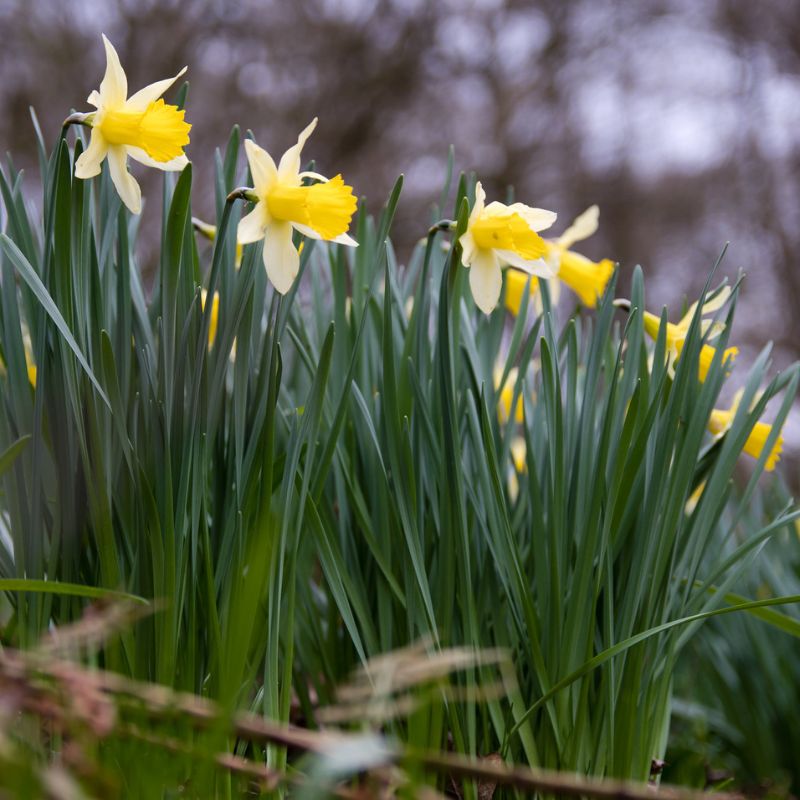
Nothing says spring quite like a cheerful daffodil! Our native wild daffodils have a wonderfully delicate appearance and look beautiful naturalised in grass, woodland edges and beneath deciduous trees. Plant the bulbs around 10-15cm deep, depending on their size, with the pointed end upwards. They prefer reasonably well-drained soil and a spot that receives some bright sunshine. For a really natural effect, scatter the bulbs gently across the area and plant them wherever they land. Wild daffodils can be shy to flower in the first year.
Giant Snowdrops (Galanthus elwesii) | 8-10cm deep
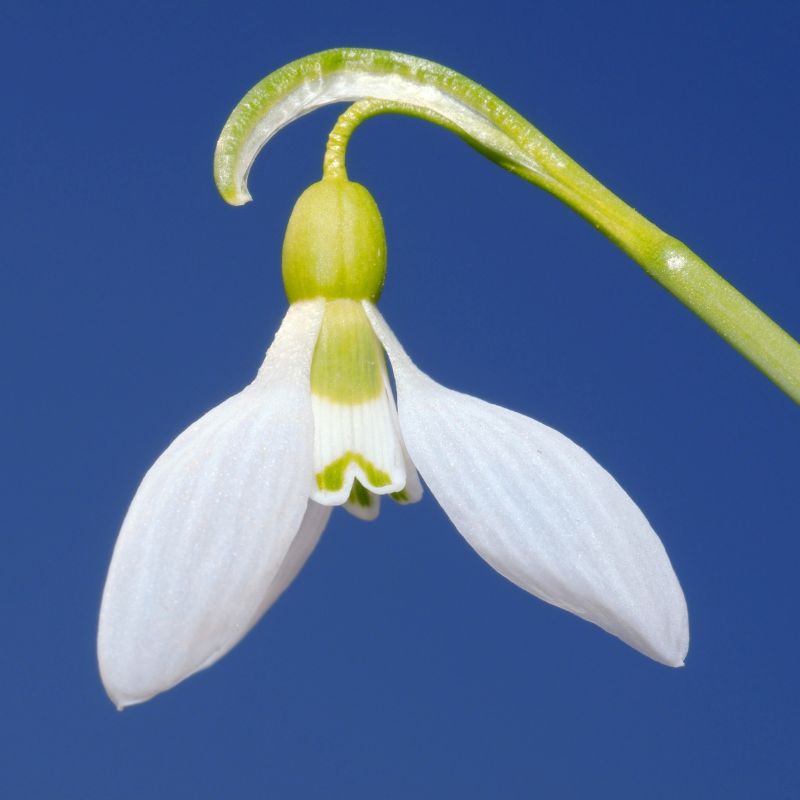
If you love snowdrops but fancy something a little more substantial, giant snowdrops are a lovely choice. Their larger flowers make a beautiful display in late winter and early spring. Plant the bulbs around 8-10cm deep in fertile, moisture-retentive but well-drained soil. They do particularly well in partial shade and are ideal for woodland-style planting.
As with ordinary snowdrops, don't leave dormant bulbs sitting around for too long before planting.
Lily of the Valley (Convallaria majalis) | 5-7cm deep
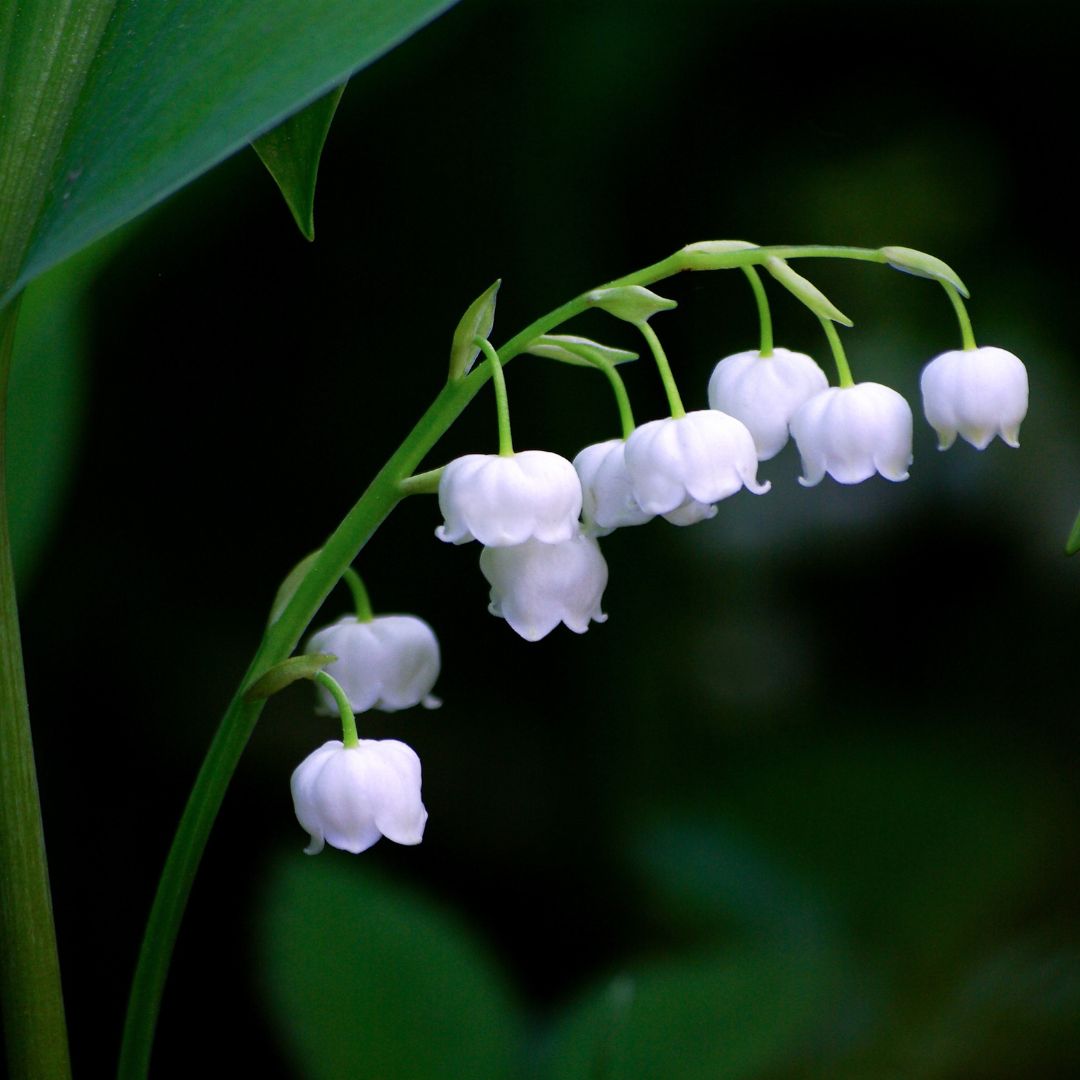
Lily of the valley might be small, but its beautifully scented, bell-shaped flowers certainly make an impression. This woodland favourite grows from underground rhizomes, often supplied as little growing points called pips.
Plant them shallowly, with the roots spread out and the growing tips around 3-5cm below the soil surface. They prefer moist, humus-rich soil in partial or full shade. Give them a little room to spread, as lily of the valley can form quite extensive colonies once established.
A Little Note: Lily of the valley is poisonous if eaten, so take care when planting around children and pets.
Wild Tulip (Tulipa sylvestris) | 10-15cm deep
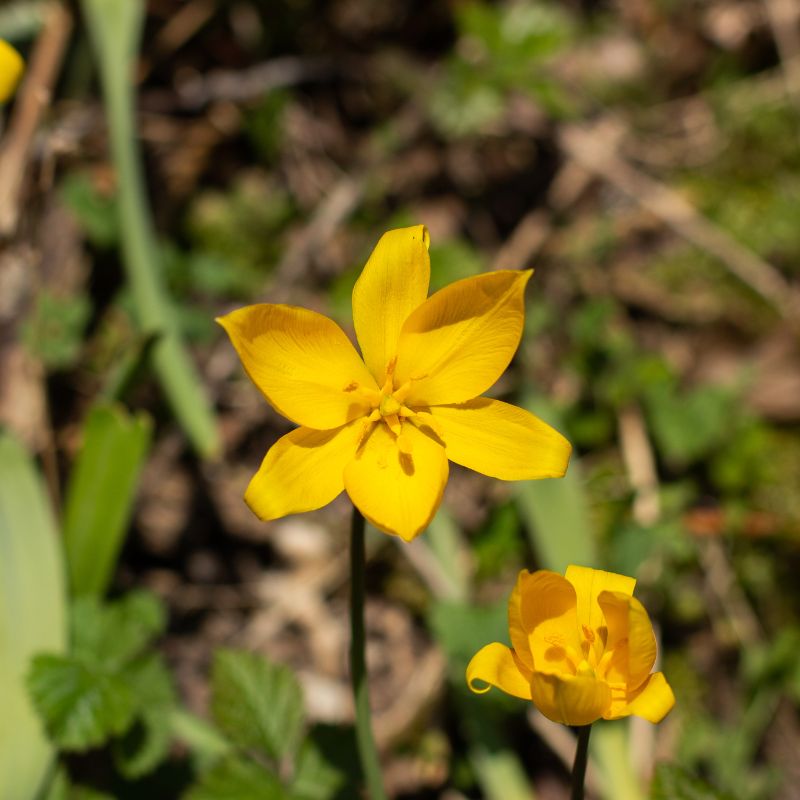
Wild tulips are a delightful alternative to the large, showy tulips you often see in formal flowerbeds. Their delicate flowers look lovely in naturalistic planting schemes, particularly in sunny areas with good drainage. Plant the bulbs around 10-15cm deep, depending on bulb size.
Wild tulips generally prefer a sunny position and soil that doesn't remain wet during their summer dormancy. They're ideal for adding a little spring colour to gravel gardens, borders and suitable grassy areas.
Wild Garlic (Allium ursinum) | 5-7cm deep
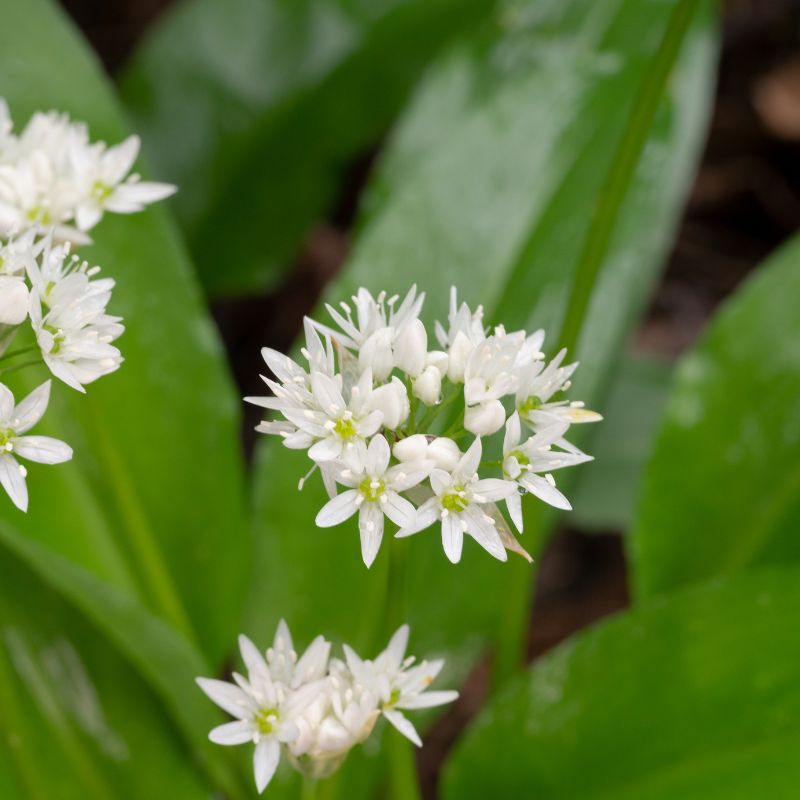
If you've ever walked through a woodland filled with wild garlic in spring, you'll know what a wonderful sight (and smell!) it can be. Also known as ramsons, wild garlic produces fresh green leaves followed by clusters of pretty white flowers. Plant the bulbs around 5-7cm deep in moist, fertile soil. They can be shy to flower in the first year.
Wild garlic loves shade and is particularly happy beneath deciduous trees. Just remember that it can spread enthusiastically once established, so choose its position carefully.
Winter Aconite (Eranthis cilicica) | 5cm deep
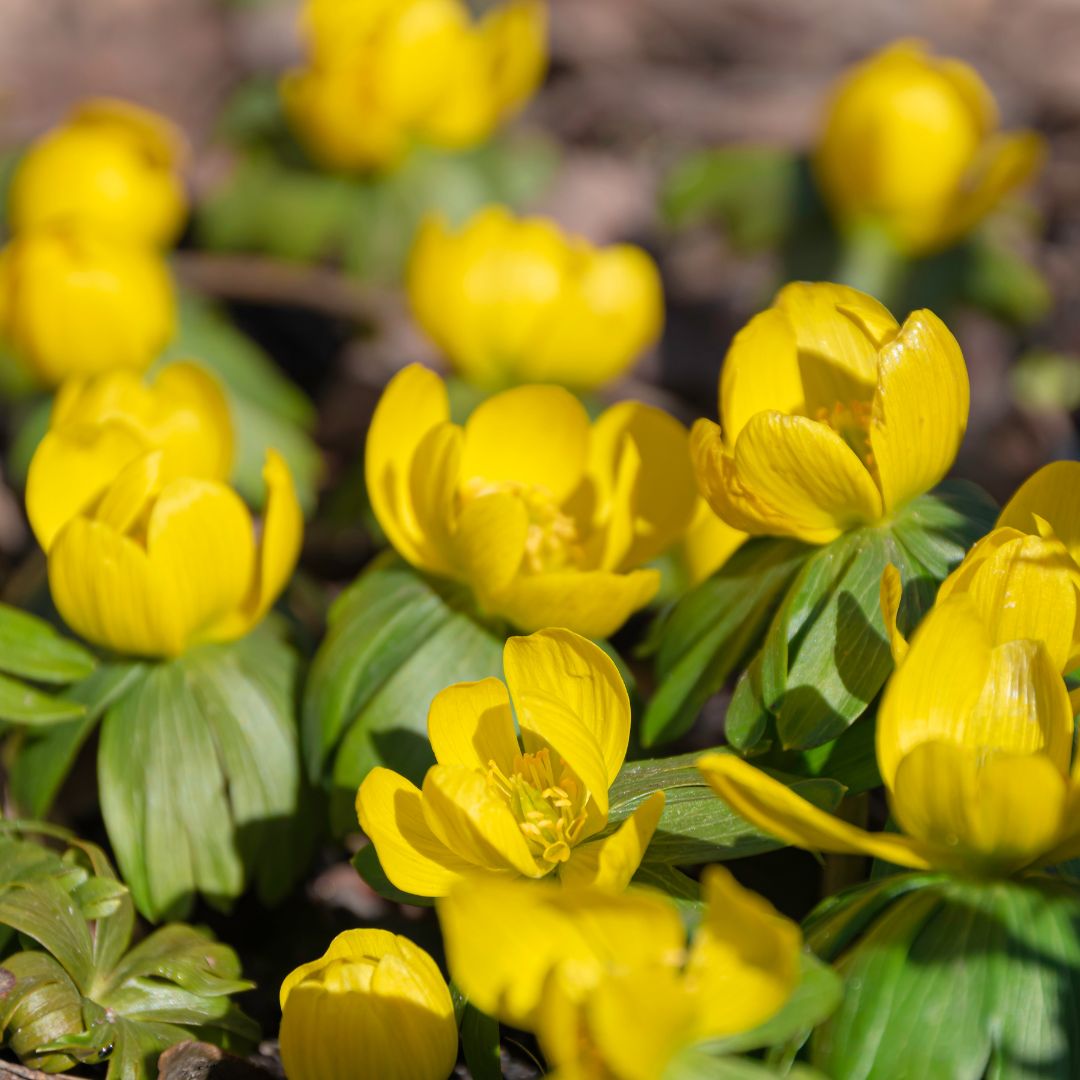
When the garden is looking gloomy, winter aconite arrive like tiny splashes of sunshine. Their bright yellow flowers are among the earliest to appear, often flowering alongside snowdrops. Winter aconites grow from small tubers. Plant them around 5cm deep in humus-rich, moisture-retentive soil.
They enjoy partial shade and look particularly attractive naturalised beneath deciduous trees.
Top Tip: Dormant winter aconite tubers can be slow to establish if they've dried out, so plant them promptly and keep the soil from drying out completely. Soaking the tubers in water for a few hours before planting may be beneficial.
Large-Flowering Mixed Crocus (Crocus vernus) | 8-10cm
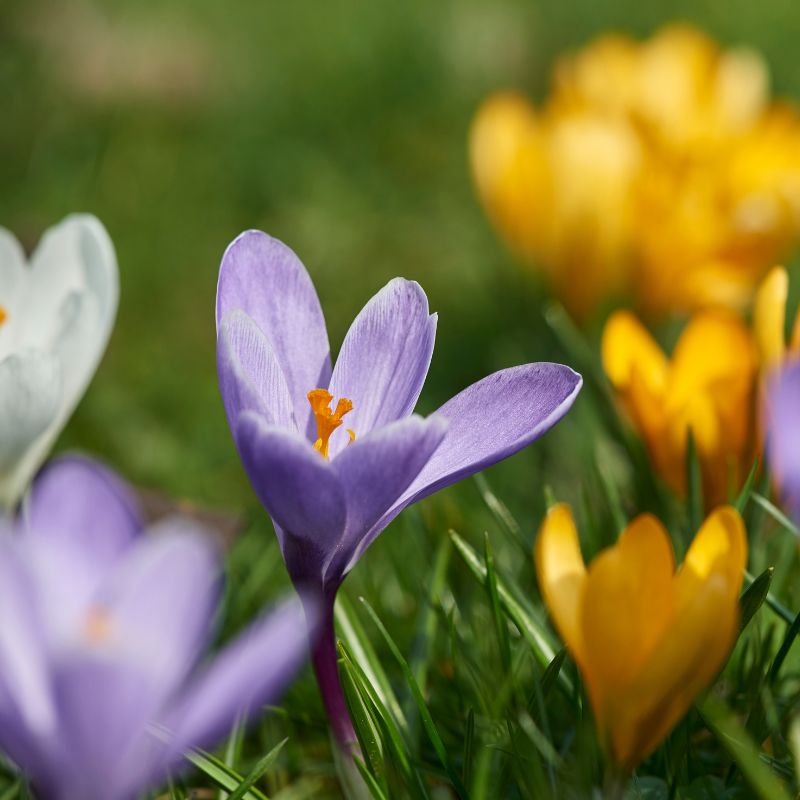
Large-flowering crocuses are a fantastic choice for adding an early splash of colour to your lawn or borders. Their cheerful purple, white and yellow flowers are a welcome sight after a long winter. Plant the corms around 8-10cm deep, with the pointed end facing upwards.
They prefer well-drained soil and a sunny or lightly shaded position. Crocuses look especially effective planted in generous groups through lawns. Just remember to leave the grass unmown until the crocus leaves have naturally died back.
Grape Hyacinth (Muscari neglectum) | 5-8cm deep
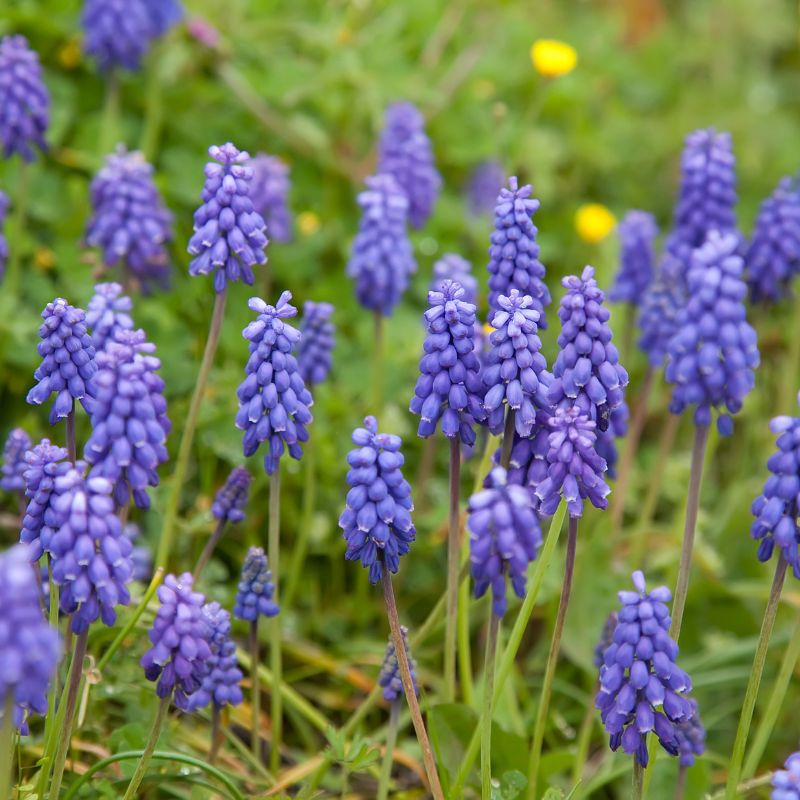
With their little clusters of bright blue flowers, grape hyacinths are a wonderful addition to spring gardens. They're easy to grow, reliable and great for adding colour to borders, rockeries and grassy areas. Plant the bulbs around 5-8cm deep in well-drained soil.
They enjoy sunshine but will tolerate some light shade. They can multiply quite readily, so they're a good choice if you'd like a display that gradually becomes more colourful each year.
Does Planting Depth Really Matter?
Yes, it does! Planting at the right depth helps protect bulbs from temperature changes, drying out and disturbance. It also gives the roots room to develop and helps keep the bulbs securely in place. But don't worry if you're a centimetre or two out. Gardening isn't an exact science, and most bulbs are fairly forgiving.
What's often just as important is choosing the right spot to plant them. Woodland plants such as English bluebells, snowdrops and wood anemones generally enjoy soil rich in organic matter, while wild tulips and crocuses prefer good drainage.
Which Way Up Should You Plant Bulbs?
For most bulbs, the pointed end goes upwards and the flatter, root-producing end goes downwards. But don't panic if you can't tell which end is which! If you're unsure, planting a conventional bulb on its side is often a reasonable solution. The shoot will usually find its way to the surface.
Can You Plant Wildflower Bulbs in Grass?
Absolutely! In fact, many of our favourite wildflower bulbs look their best growing naturally through grass. Wild daffodils, crocuses, snakeshead fritillaries, and snowdrops can all make beautiful additions to suitable grassy areas. Scatter your bulbs across the lawn and plant them where they fall for a natural look.
Remember to leave the foliage to die back naturally after flowering. Those green leaves are collecting energy for next year's flowers, so cutting them down too early can weaken your bulbs.
Looking for Autumn-Planting Bulbs?
Explore our range of autumn-planting wildflower bulbs, including native woodland favourites and varieties perfect for naturalising in grass.
Happy Planting!
🌷🪻🌷