

Wildflower Turf: Everything You Need to Know
Wildflower turf is an effective way to create a beautiful, species-rich meadow without the lengthy establishment period associated with sowing wildflower seeds. Whether you're looking to attract pollinators, increase biodiversity or introduce more colour to your planting, wildflower turf provides a practical and reliable way to establish a meadow.
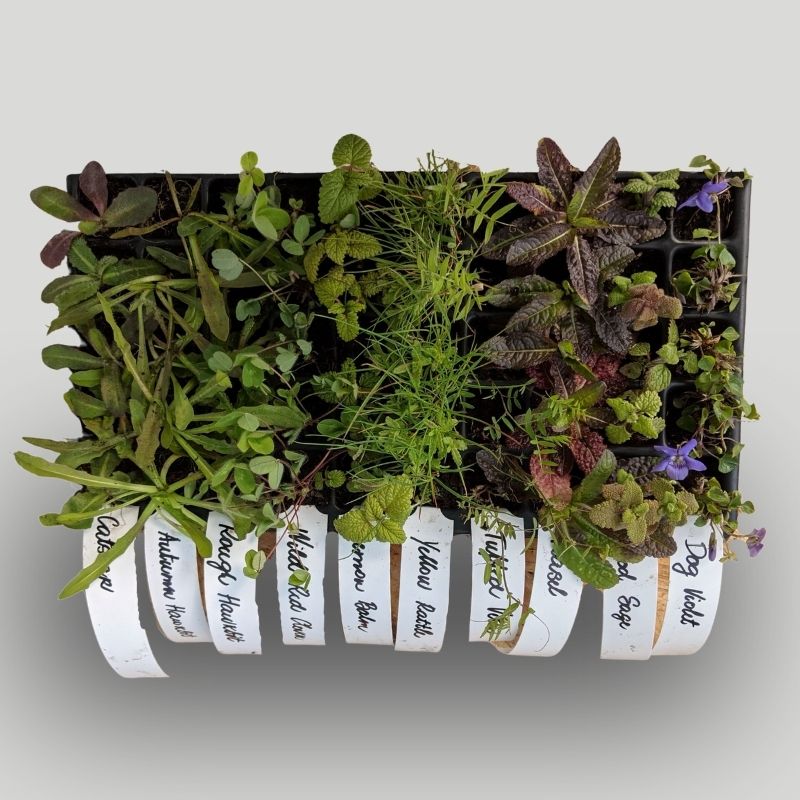
At Meadowmania, we supply a range of high-quality wildflower turfs grown using a specialist soil-free system which means every mat arrives with established plants and their root systems intact, ready to take root in your prepared ground.
With a choice of turfs suitable for everything from domestic gardens to commercial landscaping and Biodiversity Net Gain (BNG) projects, there's an option for a wide variety of sites and growing conditions.
In this guide, we'll explain how wildflower turf works, how it's grown, how to choose the right turf and what to expect when laying and maintaining your wildflowers.
What Is Wildflower Turf?
Wildflower turf is a pre-grown mat of wildflowers and suitable meadow grasses, that can be laid onto prepared soil in much the same way as conventional lawn turf.
Unlike growing a meadow from seed, where plants must first germinate and establish, wildflower turf arrives with plants already growing and an established root system.
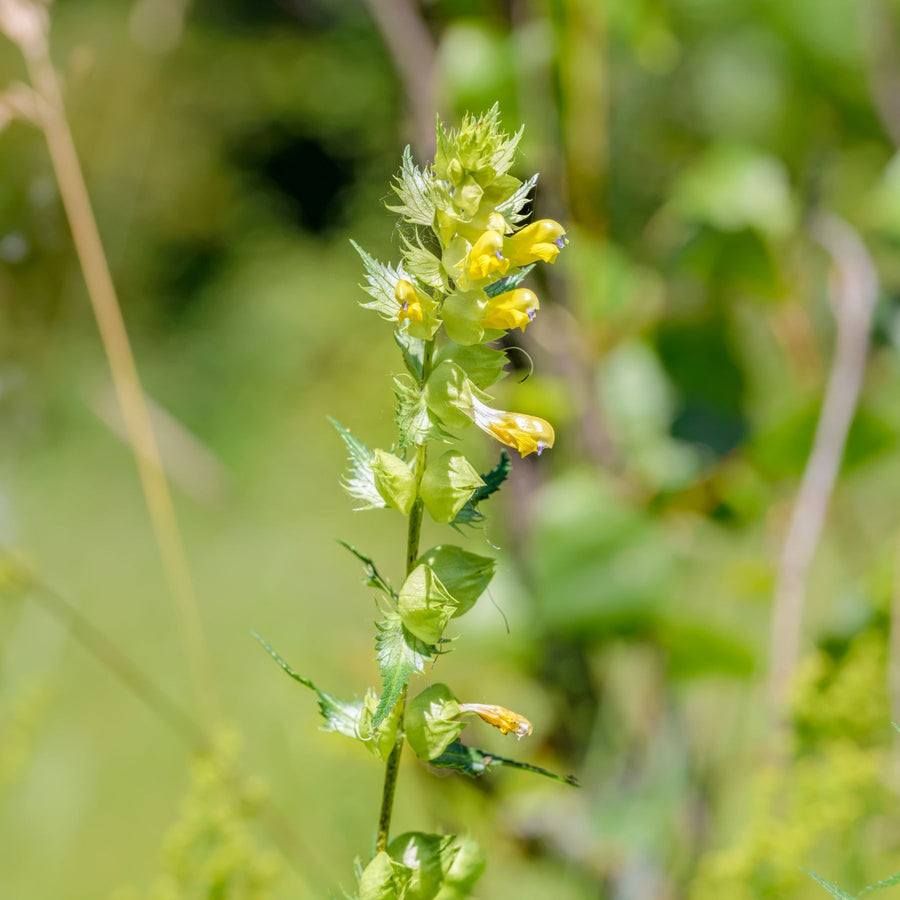
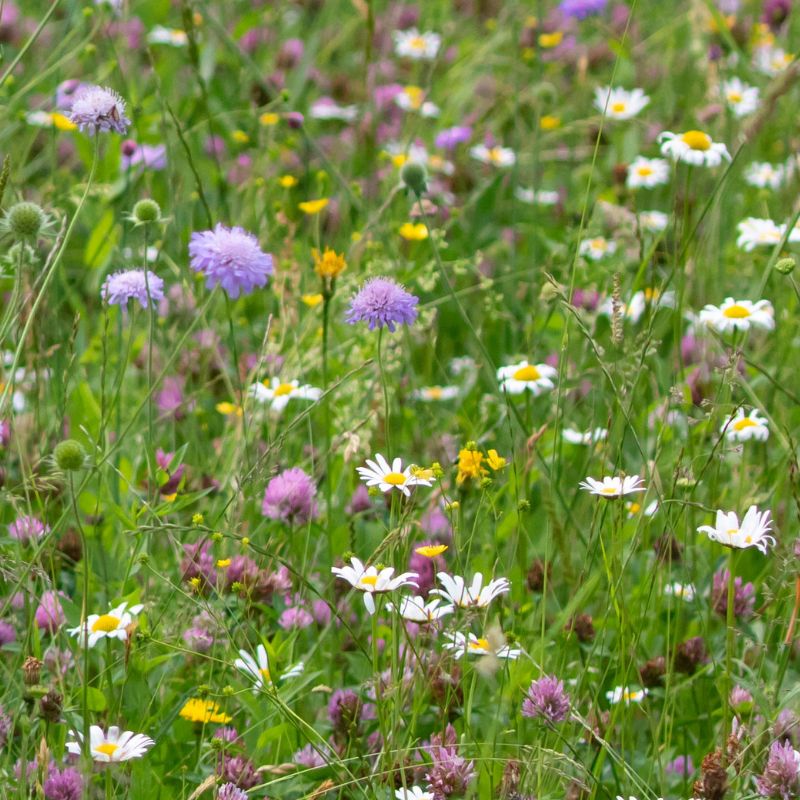
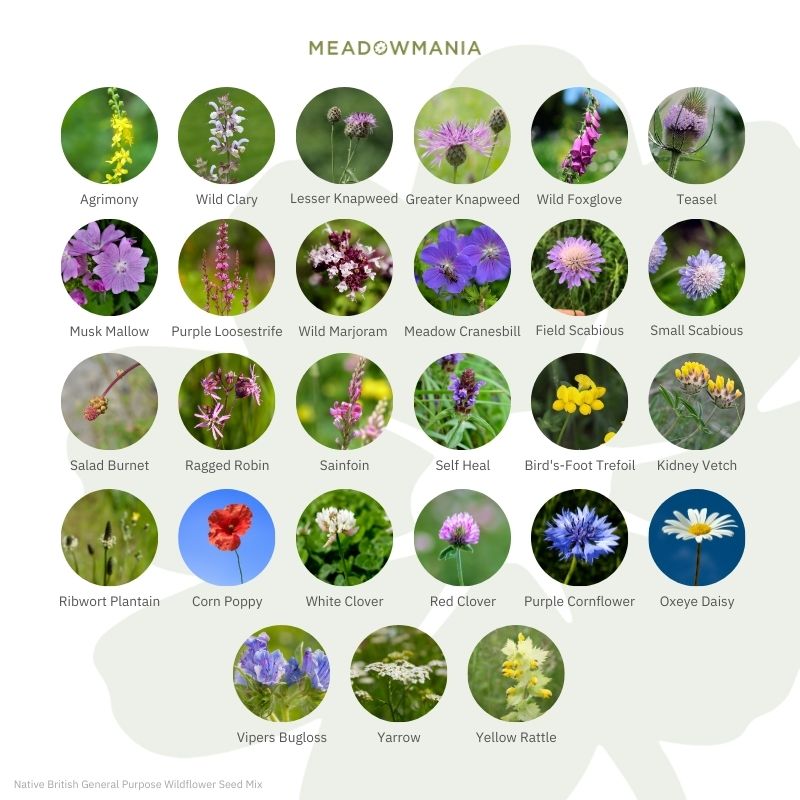
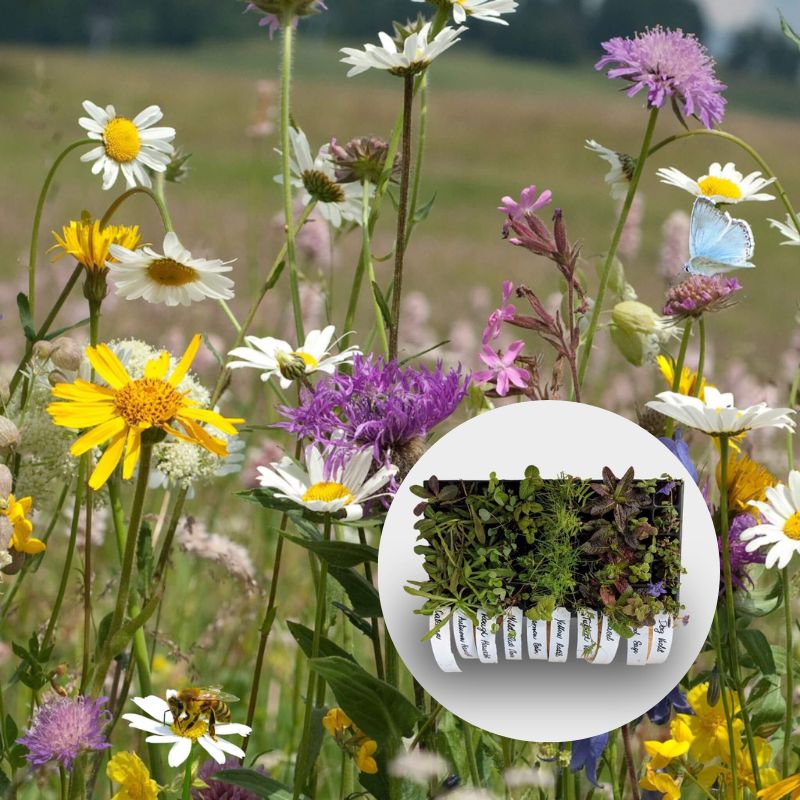
Depending on the mix, wildflower turf may contain familiar British native species such as oxeye daisy, bird's-foot trefoil, knapweed, yarrow and selfheal. These plants provide valuable nectar and pollen for bees, butterflies, hoverflies and other insects, while adding seasonal colour and interest to gardens and landscapes.
Wildflower turf can be used to create garden meadows, wildlife areas and naturalistic planting schemes. Specialist mixes are also available for green roofs, partially shaded sites, and sustainable drainage systems.
How Our Wildflower Turf is Grown and Why It Matters
The way wildflower turf is grown can make a significant difference to how it's handled and installed, and to how it establishes. The wildflower turf we supply is cultivated using a specialist soil-free, whole-root, growing system.
Soil-Free Growing System
Unlike conventional turf, which is grown in soil and harvested by cutting through the roots, the wildflower turf we supply is cultivated in a specialist soil-free substrate. This growing method allows the turf to be lifted without a layer of soil attached, and with its established root system intact. By minimising root disturbance during harvesting, the plants are well prepared to establish in their new growing environment.
Plant-Based, Biodegradable Netting
The wildflower turf we supply is grown using plant-based, biodegradable netting rather than conventional non-biodegradable plastic mesh. This netting supports the plants and their established root systems, helping to hold the turf together during harvesting, transport and installation.
Once the turf has been laid, the plant-based netting gradually breaks down naturally in the soil as the meadow establishes. It provides the strength and support needed during handling and installation, without leaving behind permanent plastic mesh.
Wildflower Turf vs Wildflower Seed: Which is Better?
Both wildflower turf and wildflower seed can create beautiful, species-rich meadows. However, they differ in establishment time, cost and suitability for certain sites. Choosing between them depends on your budget, growing conditions and how quickly you want to establish your meadow.
Faster, More Reliable Establishment
One of the main advantages of wildflower turf is that the plants are already growing when delivered, with established root systems ready to take root in the prepared ground.
Unlike seed, which must germinate and develop before a meadow begins to take shape, wildflower turf provides a significant head start. It also removes some of the uncertainty associated with seed germination, which can be affected by weather conditions, soil temperature, moisture and competition from weeds.
Although good ground preparation and watering are still essential, wildflower turf offers a more predictable starting point and generally establishes more quickly than a meadow sown from seed.
Immediate Ground Coverage
Wildflower turf provides vegetation coverage as soon as it is laid, avoiding the initial period of bare soil associated with sowing seed. This is particularly beneficial for landscaping projects where an area needs to look planted from the outset, or where exposed soil could be vulnerable to erosion and weed growth.
While the wildflowers will continue to develop and may take time to produce their full flowering display, the ground is covered immediately.
Ideal for Slopes and Challenging Areas
Wildflower turf can be particularly useful on slopes and banks, where establishing wildflowers from seed can be difficult. Heavy rainfall can wash seed away before it germinates, while dry conditions may prevent successful establishment. Laying established turf provides immediate vegetation coverage and helps protect exposed soil while the roots grow into the ground beneath.
On steeper slopes, the turf may need to be secured with wooden pegs or suitable fixing pins to prevent movement during establishment.
Less Initial Weed Competition
When sowing wildflower seed, unwanted weeds and grasses can germinate alongside the wildflowers, competing for light, water and nutrients. Because wildflower turf already contains established plants, it provides more immediate coverage and reduces the amount of exposed soil where weeds can establish.
Weed management is still important, particularly during the early stages, but turf can make the initial establishment period easier to manage.
When Is Wildflower Seed a Better Choice?
Wildflower seed is generally more economical particularly for large areas where the cost of turf may be prohibitive. Seed also offers greater flexibility when selecting individual species or creating a bespoke wildflower mix.
However, establishing a meadow from seed requires patience, careful ground preparation and ongoing management. Some perennial wildflowers may take several growing seasons to reach their full flowering potential.
Wildflower Turf or Wildflower Seed?
If you're looking for faster establishment, immediate ground coverage and more predictable results, wildflower turf is an excellent choice, particularly for gardens, landscaping projects and challenging areas such as slopes.
If you're working with a larger area, have a limited budget and are happy to allow more time for establishment, wildflower seed may be the more practical option.
Both methods can produce successful wildflower meadows when the right species are chosen and the ground is prepared and managed correctly.
When is the Best Time to Lay Wildflower Turf?
Wildflower turf can be laid at different times of the year, provided the ground and weather conditions are suitable.
Spring and autumn are often particularly favourable. Autumn offers relatively warm soil and cooler air temperatures, which can help the turf establish without the additional stress of summer heat. Spring is also suitable, as increasing temperatures encourage root development and fresh growth. Summer installation is possible, but newly laid turf requires careful watering to prevent drying out. Installation during winter may be possible in mild conditions, but avoid laying turf onto frozen, snow-covered or waterlogged ground.
How to Prepare the Ground for Wildflower Turf
Good ground preparation is essential for successful establishment.
Although the soil-free wildflower turf we supply can establish on a wide range of soil types, the growing conditions must still suit the selected wildflower mix.
-
Remove existing vegetation - clear grass, weeds and unwanted vegetation.
- Prepare the soil - loosen the surface, dig or rotovate to a depth of 5-15cm depending on the level of soil compaction. Remove stones and debris, and rake to create a level, firm and reasonably fine growing area. Turf should be laid on a minimum of 10cm of topsoil.
- Avoid unnecessary fertiliser - many traditional meadow wildflowers thrive in low-fertility conditions. Excess nutrients can encourage vigorous grasses to dominate.
- Consider sunlight - most traditional meadow species prefer sunny conditions, although specialist mixes, such as our Native Wildflower Turf for Partially Shaded Areas, are available for shady locations.
Taking time to prepare the site properly helps the turf make good contact with the underlying soil and establish successfully.
How to Lay Wildflower Turf
Once the ground is prepared, laying wildflower turf is straightforward.
- Lay promptly after delivery - wildflower turf is a living product and should be laid on the day of delivery.
- Fit adjoining pieces closely - avoid gaps and overlapping edges.
- Ensure good soil contact - gently firm the turf into place without excessive compaction.
- Water thoroughly - make sure moisture reaches the underlying soil.
- Keep the area moist during establishment - monitor watering requirements closely, particularly during dry or warm weather.
Avoid unnecessary foot traffic until the roots have established.
How Often Should You Water Newly Laid Wildflower Turf?
Newly laid turf needs thorough watering during its first few weeks while the roots establish in the underlying soil. How often you need to water will depend on the weather, with more frequent watering required during warm or dry conditions.
The key is to keep the soil beneath the turf damp without allowing it to become waterlogged. Check the moisture underneath the turf regularly and never allow it to dry out during establishment (typically 2-3 weeks depending on conditions).
Equally, avoid excessive watering, as consistently wet conditions can encourage stronger grass growth at the expense of wildflowers.
What about watering during a hosepipe ban? Many UK water companies allow a temporary exemption for newly laid turf, often for up to 28 days. However, restrictions vary between suppliers, so check with your local water company's current rules.
Wildflower Turf Establishment: What to Expect
One of the main advantages of wildflower turf is how quickly it can begin developing into a meadow. Although the exact timescale depends on weather, season and growing conditions, the following gives a general idea of what to expect.
Day 1: Ground Preparation and Installation
The prepared area is covered with established wildflower turf. Water thoroughly after laying to help settle the turf and ensure good contact with the soil.
Weeks 1-3: Early Rooting and Growth
The existing root system begins growing into the soil beneath the turf. Keep the ground adequately moist during this period to encourage establishment. Rooting may take longer in cooler conditions or while growing conditions are less favourable.
Months 2-6: The Meadow Develops
As the turf establishes, the wildflowers continue to grow and develop.
Depending on the mix, season and conditions, a colourful flowering display may develop within a few months. Perennial species may continue maturing over subsequent growing seasons, and the balance of flowers will change naturally over time.
How to Maintain Wildflower Turf: When to Cut Your Meadow
Once established, wildflower turf requires relatively little maintenance. For most traditional perennial wildflower meadows, an annual cut is the main task needed to encourage healthy regrowth and maintain a diverse mix of wildflower species.
When Should You Cut Wildflower Turf?
The main meadow cut should generally take place between late summer and autumn, once the majority of wildflowers have finished flowering and had an opportunity to set seed.
Cut the meadow to approximately 5-10cm above ground level, then remove all the cuttings. This helps prevent nutrients from building up in the soil, as wildflowers generally thrive in lower-fertility conditions. Removing cuttings also reduces the risk of vigorous grasses outcompeting the wildflowers.
Remove Fallen Leaves
If your wildflower turf is close to trees, remove any fallen leaves that accumulate on the turf. A thick layer of leaf litter can smother wildflowers, block light and add unwanted nutrients to the soil as it decomposes.
With the right annual cutting routine and occasional removal of leaf litter, an established wildflower meadow can continue to provide seasonal colour and valuable wildlife habitat year after year.
Create a Species-Rich Wildflower Meadow with Wildflower Turf
Wildflower turf offers an effective way to introduce established wildflowers, encourage biodiversity and create attractive natural landscapes without the lengthy initial establishment period associated with sowing seeds.
Whether you're creating a wildlife-friendly garden, landscaping a commercial development or planning a larger biodiversity project, choosing the right turf for your site is essential.
Explore our range of wildflower turf to find the most suitable option for your garden or landscaping project.