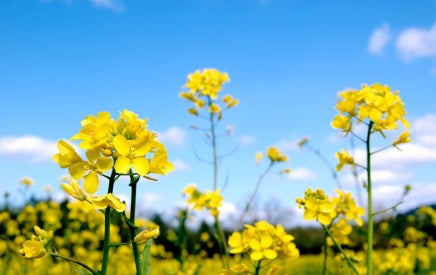
Mustard Sinapis alba is a fast growing annual green manure that produces large amounts of leafy growth in a short period of time. When dug into the soil, this bulky green matter helps to improve soil structure, increase organic content and enhance moisture retention, making it particularly useful on light or tired soils.
Mustard is a nitrogen lifter rather than a nitrogen fixer, rapidly taking up available nutrients and returning them to the soil when incorporated. It is easy to grow, suits most soil types and establishes quickly, making it ideal for filling short gaps between crops. It is also thought to help reduce certain soil pests when used as part of a crop rotation.
Mustard should be sown between March and September and grows rapidly, reaching digging-in stage within one to two months. For best results, it should be cut down and incorporated into the soil before flowering. As a member of the brassica family, it should not be sown immediately before brassica crops.
How to sow
Dig the soil over and remove weeds. Firm the surface by treading lightly, then broadcast the seed evenly. Rake over the soil and water well. In dry periods, additional watering may be needed to help plants establish.
How to dig in
Chop the green manure into small pieces using a spade and turn it into the top 10 to 12cm of soil. Alternatively, cut it down and leave the foliage on the soil surface as a mulch, covering to exclude light using cardboard and grass cuttings or a biodegradable ground cover. Leave for at least six weeks to allow the material to break down and be incorporated into the soil by earthworms.