

Grow Wildflowers to Attract Birds
A habitat-first alternative to bird feeders
Bird feeders have long been a staple of wildlife-friendly gardens. But organisations such as the RSPB, SongBird Survival, and other conservation groups are increasingly encouraging gardeners to think beyond feeders and focus on growing natural food sources instead.
By growing native wildflowers, you can support birds year-round - providing insects for chicks, seeds for autumn and winter, and shelter in all seasons - while reducing reliance on artificial feeding.
Why conservation groups are questioning bird feeders
The RSPB continues to support responsible bird feeding but has also raised concerns about disease transmission where birds gather densely at feeders, particularly flat feeding tables. Finch populations have been badly affected in recent years by diseases such as trichomonosis, spread more easily when birds congregate.
Other wildlife organisations, including SongBird Survival, emphasise that long-term bird conservation depends on healthy insect populations, diverse native plants and natural foraging behaviour.
In short, feeders can help, especially in harsh weather - but they should not replace the creation of wildlife-rich habitats.
Why wildflowers are so important for birds
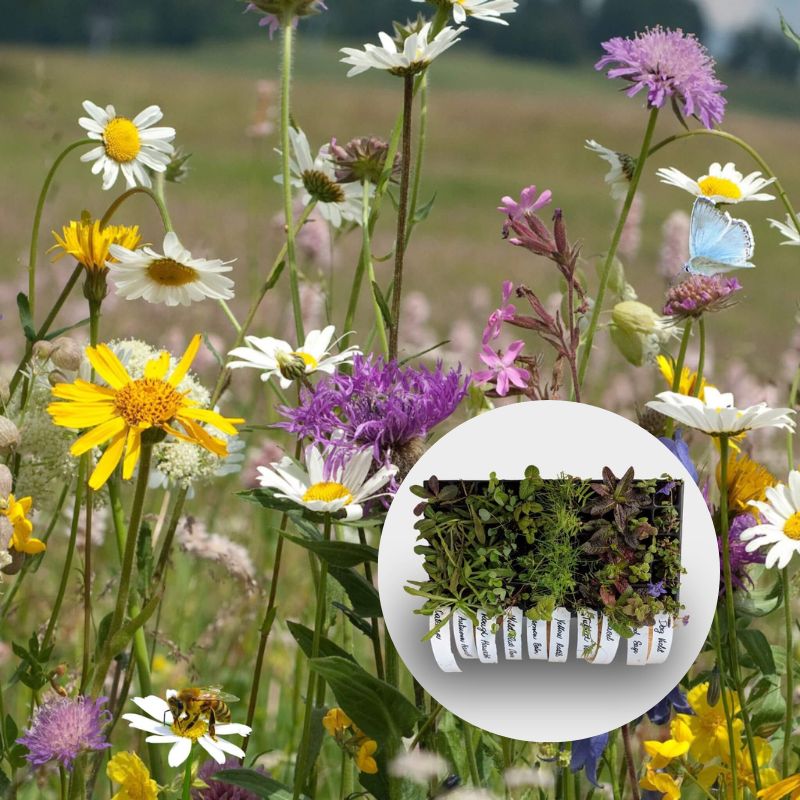
Many gardeners are surprised to learn that most garden birds feed insects to their chick, and that even species we think of as seed-eaters rely heavily on insects during spring and summer. When insect numbers fall, fewer young birds survive to leave the nest. Wildflowers form the foundation of this food chain, supporting aphids, beetles, caterpillars, hoverflies and moths – all vital, protein-rich food during the breeding season. Later in the year, those same wildflowers produce natural seed heads, providing birds with food at exactly the time of year they have evolved to find it.
Best wildflowers to attract birds in UK gardens
A successful bird-friendly garden includes a mix of annuals (plants that grow, flower and set seed in a single year) and perennials (plants that return year after year), different heights, and long flowering periods.
Knapweed (Centaurea nigra)
One of the most valuable native wildflowers.
- Exceptional insect diversity
- Seeds eaten by finches
- Tall growth provides shelter
Cornflower (Centaurea cyanus)
Fast-growing and highly effective.
- Excellent nectar source
- Attracts insects for birds feeding chicks
- Seeds taken by goldfinches and linnets
Oxeye Daisy (Leucanthemum vulgare)
- Long flowering season
- Supports beetles and flies
- Seeds persist into autumn

Bird’s-foot Trefoil (Lotus corniculatus)
- Caterpillar food plant
- Ideal for meadow lawns and edges
- Encourages small insect life
Red Campion (Silene dioica)
- Valuable for moths and night-flying insects
- Extends food availability into evening hours
- Ideal for partial shade
Teasel (Dipsacus fullonum)
One of the best plants for birds.
- Goldfinches feed directly from seed heads
- Stands through winter
- Provides structure and shelter
Yarrow (Achillea millefolium)
- Long flowering period
- Attracts predatory insects
- Provides late-season seeds
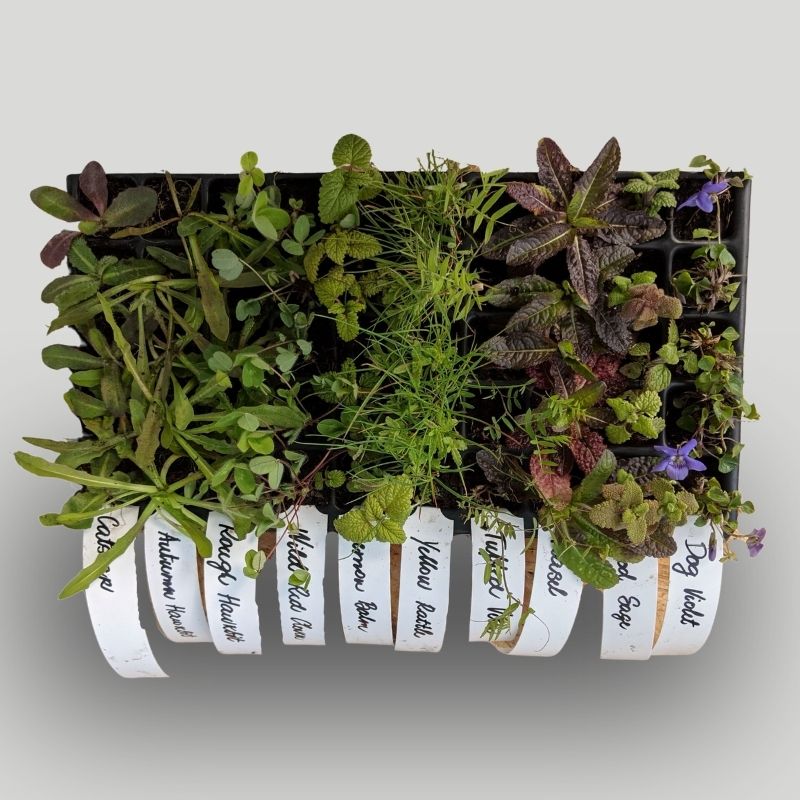
If you’d like to grow any of these species on their own, you can find them listed individually on our website, with detailed information on how and where to grow them.

Choosing the right wildflower mix for birds
While planting individual wildflower species is hugely beneficial for birds, many gardeners prefer a simpler approach — especially when starting from scratch.
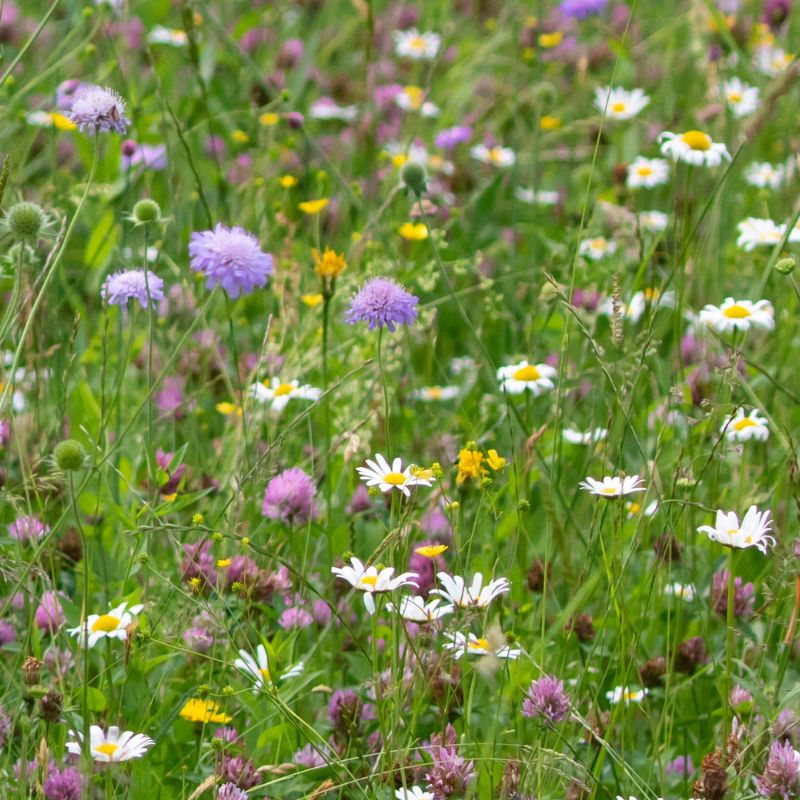
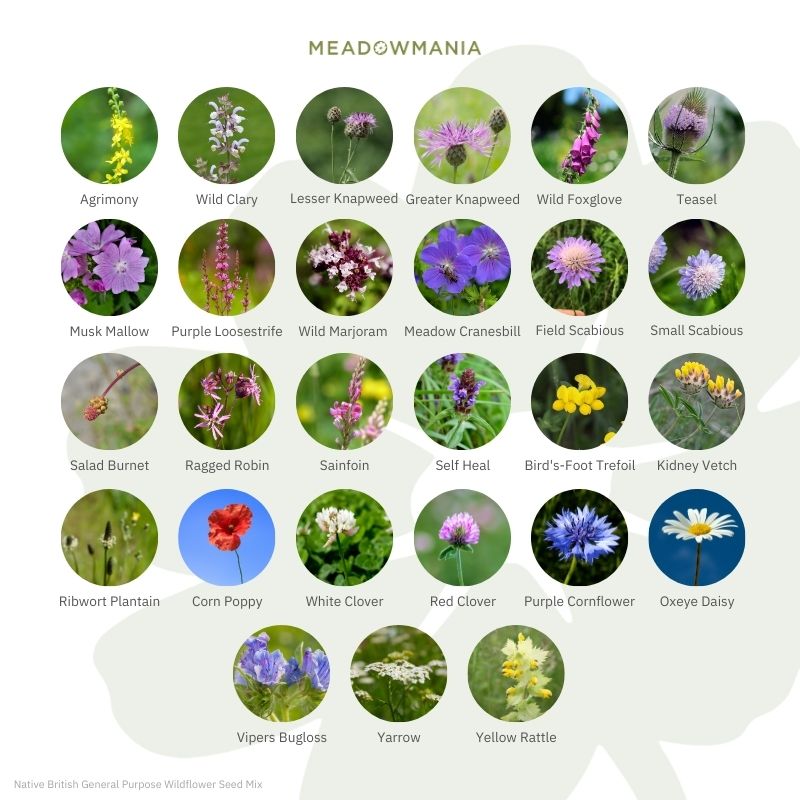
For gardeners looking for an easy way to get started, choosing a well-balanced wildflower mix can make all the difference. Our Bird Border Seed Mix has been carefully designed to include nectar-rich flowers and strong seed producers such as knapweed and cornflower, helping to support insects during the breeding season and providing natural seed sources later in the year. For a broader, more naturalistic planting, our Native British General Purpose Wildflower Seed Mix combines a wide range of UK-native annuals and perennials, creating a resilient habitat that benefits birds, pollinators and other wildlife across the seasons. Both mixes are ideal for gardeners who want to move beyond feeders and create a garden that truly works for birds year-round.
How to grow wildflowers successfully
Wildflowers are low maintenance once established, but good preparation makes all the difference. Choose a sunny site, as most wildflowers thrive in full sun, and remember that poor or low-nutrient soil is far better than rich soil, which encourages grasses and weeds. Before sowing, remove all existing grass and weeds and rake the surface to a fine tilth, avoiding the use of compost or fertiliser. Seeds can be sown in autumn (September - October) for earlier flowering the following year, or in spring (March-April), which is especially suitable for annuals such as cornflower. Once plants are established, resist the urge to tidy too early - leaving seed heads standing through winter is one of the most important things you can do to provide food and shelter for birds.
A garden that feeds itself - and the birds
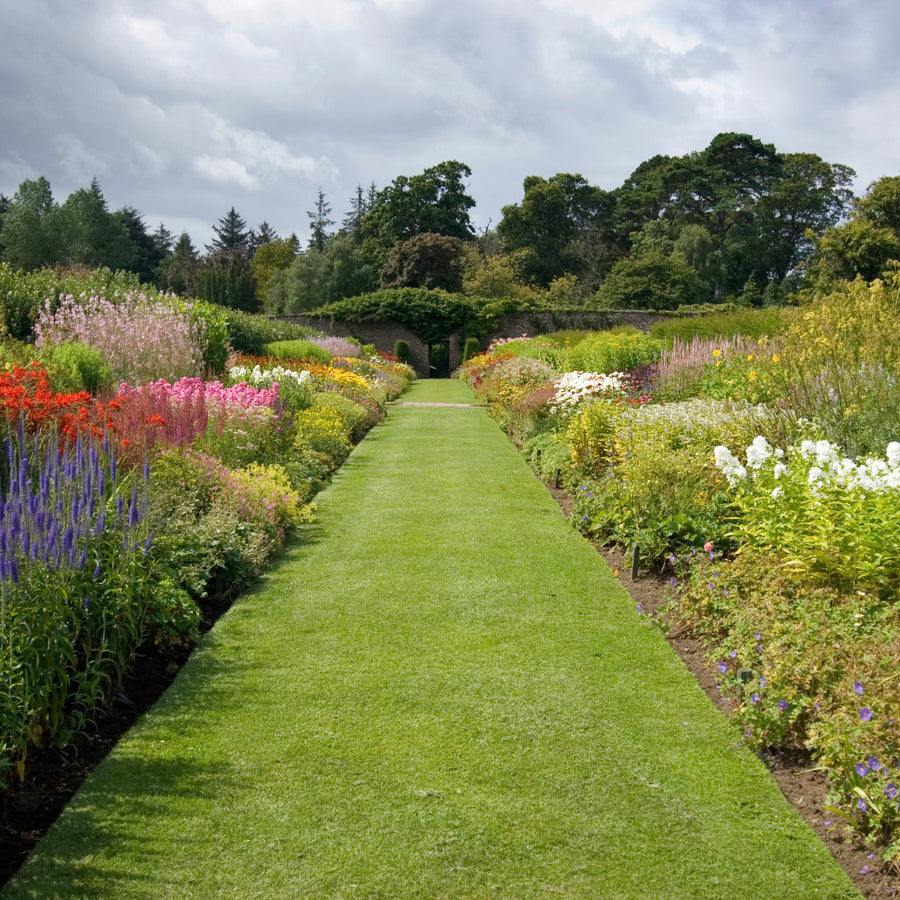
Creating a bird-friendly garden doesn’t mean abandoning feeders altogether, but it does mean rethinking their role. By prioritising native wildflowers, gardeners can provide food in a way that mirrors nature: insects in spring, seeds in autumn, shelter all year round. This habitat-first approach supports healthier bird populations, reduces pressure on feeders, and helps restore the complex food webs that garden wildlife depends on.
Perhaps most importantly, wildflower gardening benefits far more than birds alone. Bees, butterflies, beetles and moths all thrive alongside them, turning even small gardens into valuable pockets of biodiversity. In a time of widespread wildlife decline, planting wildflowers is one of the simplest and most effective actions gardeners can take.
By letting plants grow, flower and set seed naturally, we allow birds to feed as they have evolved to do for thousands of years. The result is a garden that is not just beautiful, but alive – and one that truly earns its place as part of the wider countryside.